
Charles Schwab Launches 24/7 XRP Futures on Thinkorswim
Schwab's thinkorswim offers round-the-clock crypto futures for BTC, ETH, SOL, and XRP on all platforms.

Zcash AI Vulnerability vs XRPL Security Architecture
The Zcash Orchard flaw reveals DLT security tradeoffs. XRPL's protocol-native design and post-quantum roadmap offer a structural contrast.

SEC Greenlights AI-Managed ETF That Chose XRP, SOL, and Bitcoin
A Bayesian algorithm called BAILA picked XRP, Solana, and Bitcoin as its top three crypto holdings — not by market cap, but by average daily trading volume.

BIS Project Agorá: How 7 Central Banks Proved Tokenized Settlement Works
Two years. Seven central banks. 40+ institutions. The prototype is done.

Seturion Is Building Europe's Unified Blockchain Settlement Layer
SocGen, flatexDEGIRO, Nasdaq — the most serious pan-European DLT settlement build yet.

Goldman Sachs Exited XRP and Solana ETF Exposure in Q1 2026 — Who Filled the Gap
Goldman Sachs trimmed XRP and SOL ETF positions in Q1 while CoinShares data shows mid-tier institutions rotating in. The distribution story matters more than the headline.
XDC Network Outperforms Digital Rail Peers +5.98% While BTC-Correlated Assets Sit Flat
On May 21, XDC posted the largest single-day gain among the seven major digital rail tokens while everything else barely moved.

XRPL v3.1.3: The Vault Lending Protocol and fixCleanup Amendment Explained
XRPL v3.1.3 ships the fixCleanup3_1_3 amendment with a default Yes vote — fixing NFTs, Permissioned Domains, Vaults, and the Lending Protocol.
XRPL v3.1.3 Released: The fixCleanup Amendment and What It Means for NFTs, Vaults, and the Lending Protocol
The XRP Ledger's latest release introduces a critical cleanup amendment with a default Yes vote — an unusual move that signals both urgency and confidence.
XRPL v3.1.3: Vault Lending Protocol and fixCleanup
fixCleanup3_1_3 ships with default Yes vote — NFT, Vault, Lending fixes.
XRPL v3.1.3 Released: The fixCleanup Amendment and What It Means for NFTs, Vaults, and the Lending Protocol
The XRP Ledger's latest release ships a cleanup amendment with a default Yes vote — signaling urgency and governance maturity.
XRPL v3.1.3 Released: Critical Fixes for NFTs, Vaults, and the Lending Protocol
fixCleanup3_1_3 amendment ships with default Yes vote. What changed and why operators must upgrade now.
XRPL Foundation Reveals Native Lending Protocol and Smart Escrows
On-chain collateralized lending and programmable escrow logic are coming to XRPL. Why the compliance-first sequencing matters.
XRPL's 2026 Amendment Wave: The Protocol Upgrades That Change Everything
Four major amendments activated or approaching vote in 2026 — the most significant protocol upgrade wave in XRPL history.
Quantum Threat Puts 77 Billion XRP at Risk — And Ripple Has a Plan
A validator report identifies 76.82B XRP in potentially vulnerable wallets. Ripple's four-phase roadmap targets quantum-resistance by 2028.
AI Catches Critical XRPL Batch Amendment Vulnerability Before Mainnet
Cantina Apex and researcher Pranamya Keshkamat caught a critical signature flaw before mainnet activation. Zero funds at risk.
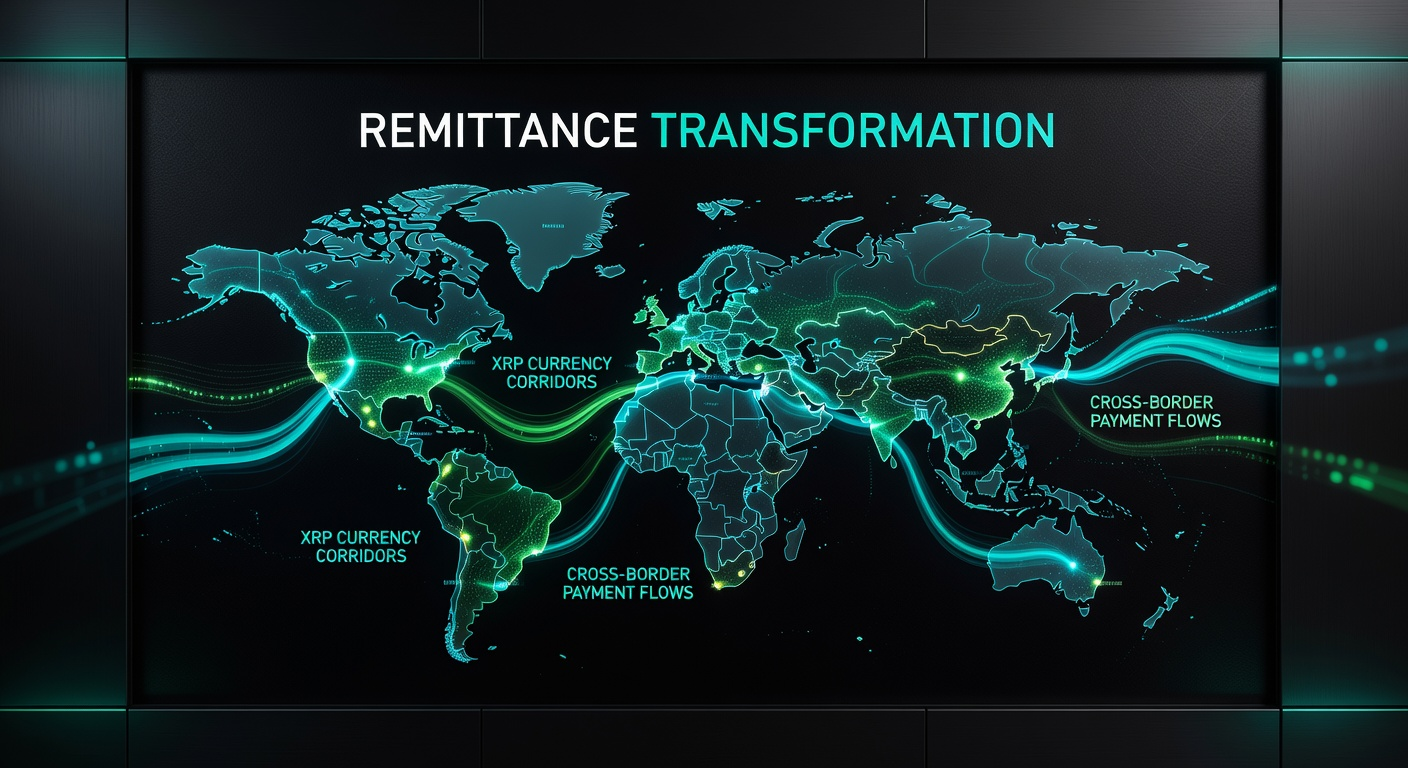
XRP/BTC Correlation at 0.615: What Institutional Traders Are Watching
Moderate positive correlation — but divergence patterns during XRPL events reveal where utility thesis separates from market sentiment.

Why the DLT Revolution Needs Infrastructure Builders, Not More Exchanges
The Henry Ford analogy: roads matter more than cars. Position for the buildout, not the speculation.
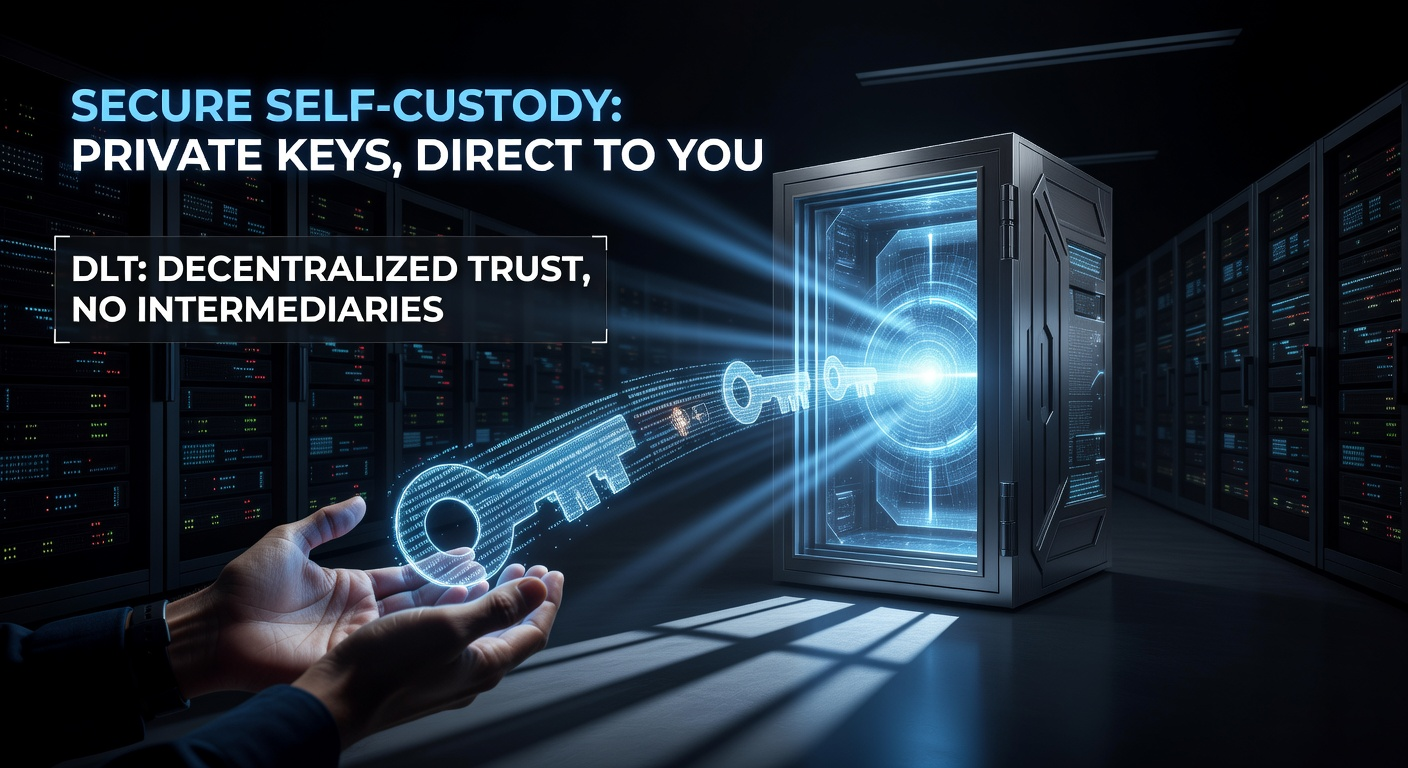
The Non-Custodial Advantage: When Your Platform Never Holds Keys
How non-custodial architecture eliminates custodial risk and regulatory liability for platform operators.
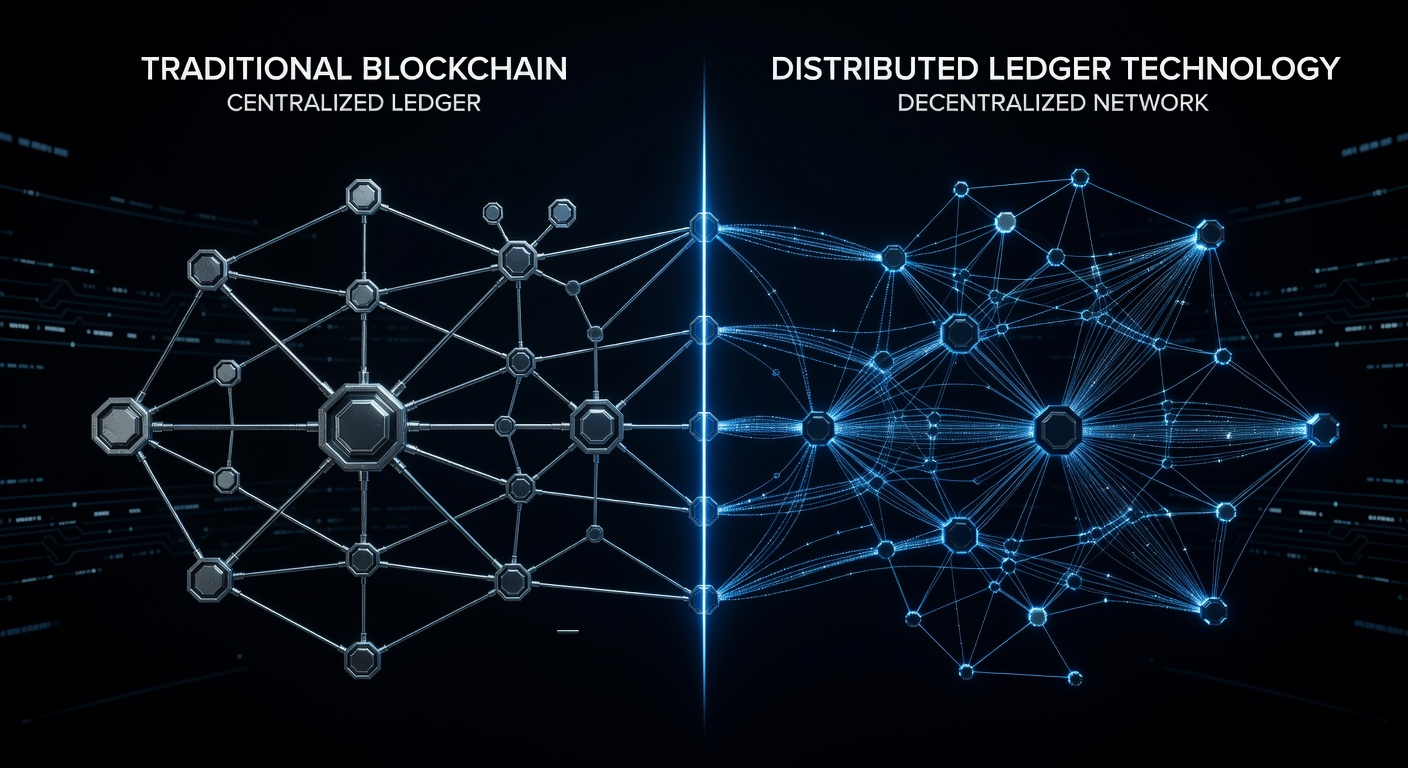
DLT vs. Blockchain: What's the Actual Difference?
The taxonomy matters for operators, regulators, and investors. A precise breakdown of what distinguishes DLT from blockchain.

Token Economics for Founders: Supply, Distribution, and Utility
How to design a token that serves a real function — supply models, distribution mechanics, and utility frameworks.

How Blockchain Transforms Business Operations
Four enterprise use cases where DLT delivers measurable operational improvement over legacy systems.